
Informal Traders Call for Secure Tenure and Dignified Market Governance in Harare
Harare, September 2026
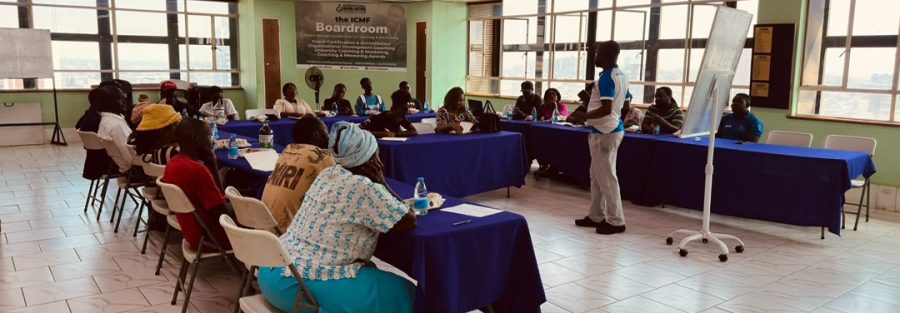
Informal traders from Hatcliffe Dust Market, Lusaka in Highfield, Mbare Musika, Kuwadzana and Glen View 8 came together in Harare for a Peer-to-Peer Market Governance Learning Exchange, facilitated by the Vendors Initiative for Social and Economic Transformation (VISET) and Dialogue on Shelter under the African Cities Research Consortium (ACRC) Project.
The learning exchange provided a platform for informal traders from different parts of Harare to share their experiences, challenges and practical solutions in managing markets and engaging with local authorities. While the markets differ in location and context, traders described remarkably similar challenges affecting their livelihoods and working conditions.
A shared crisis in market infrastructure and governance
At the centre of the discussions was a widespread infrastructure deficit. Traders reported inadequate access to water, sanitation facilities, toilets, shelter and other basic services necessary for safe and dignified trading.
The issue of secure tenure also emerged as a major concern. Many traders operate without predictable or secure access to trading spaces, leaving them vulnerable to displacement and uncertainty about the future of their livelihoods.
Traders also spoke about a strained relationship with the Harare City Council, characterised by limited dialogue and engagement. Participants raised concerns about harassment, confiscation of goods and fees that they consider unaffordable, highlighting the need for a more constructive and participatory approach to market governance.
For many traders, these challenges are not simply about where they work. They directly affect household incomes, food security and the ability of informal workers to sustain their livelihoods.
Traders are already creating solutions
Despite the challenges, the exchange demonstrated that informal traders are not merely recipients of support. They are organising, innovating and developing practical solutions within their own communities.
Participants shared examples of trader-led initiatives, including Mukando savings groups, cooperative purchasing arrangements and self-funded security mechanisms. These initiatives demonstrate the capacity of informal traders to collectively address some of the challenges they face when given the space and recognition to organise.
The exchange therefore highlighted an important lesson: effective market governance can build on solutions that traders themselves are already developing.
Rather than replacing these initiatives, local authorities and other stakeholders can strengthen them by creating an enabling environment, providing appropriate infrastructure and establishing meaningful mechanisms for trader participation in decision-making.
Towards more inclusive market governance
The discussions reinforced the importance of moving beyond approaches that view informal traders primarily through the lens of enforcement and regulation.
A sustainable approach to market governance requires secure tenure, affordable and appropriate infrastructure, access to basic services, transparent fee structures and meaningful participation by traders in decisions affecting their livelihoods.
Traders should be recognised as legitimate economic actors and partners in shaping the markets and urban spaces in which they work.
VISET reaffirms its commitment
VISET reaffirmed its commitment to supporting informal traders to organise, learn from one another and participate meaningfully in processes that affect their livelihoods.
Through initiatives such as the Peer-to-Peer Market Governance Learning Exchange, VISET will continue to facilitate peer learning, document and amplify trader-led innovations, strengthen collective voice and advocate for the formal recognition of community-driven solutions.
The organisation believes that Harare can develop markets that are orderly, safe, inclusive and economically productive without undermining the livelihoods of the people who depend on them.
The experiences shared during the exchange provide an important reminder that informal traders are not the problem to be managed. They are part of the solution and must have a meaningful voice in shaping the future of Harare’s markets.
VISET stands with informal traders in their pursuit of secure tenure, dignified working conditions, accessible basic services and meaningful participation in market governance.
#HarareTraders #MarketGovernance #ACRCProject #DialogueOnShelter